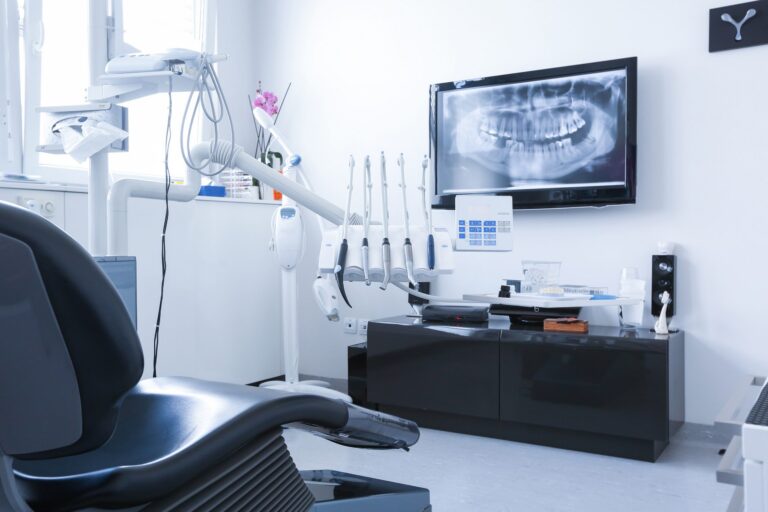
As CBCT (Cone Beam Computed Tomography) imaging becomes more widely used in dental diagnostics, the referral process needs to keep up. Whether you’re a general dentist referring for implant planning, endodontic assessment or orthodontic work, a clear, accurate CBCT referral form is essential — for both clinical clarity and patient care.
So, what should you include in a CBCT referral, and how can digital forms help streamline the process?
Why CBCT referrals require clarity
Unlike standard 2D radiographs, CBCT scans provide detailed 3D imaging of dental and maxillofacial structures. That level of detail comes with responsibility — clinicians need to justify why a scan is being requested, and radiologists need to know exactly what they’re looking for.
A vague or incomplete referral not only delays the process, but may also result in an unnecessary or improperly scoped scan, which isn’t in the patient’s best interest.
What to include in a CBCT referral form
A well-prepared CBCT referral should include:
- Patient details – full name, date of birth, and contact information
- Referring practitioner’s details – name, GDC number, practice info
- Clinical justification – a clear explanation of why the scan is required
- Area of interest – specify the exact region to be scanned (e.g. UR6-UR8)
- Type of scan requested – full arch, sectional, or focused field
- Request for report – indicate whether a radiology report is required
- Attachments – any supporting radiographs, notes, or treatment plans
A structured form ensures this information is gathered consistently, reducing the risk of delays or miscommunication.
Avoiding common referral issues
Many practices still rely on printed or editable PDF forms that are emailed or posted. These can be prone to errors, missing fields, and — importantly — data protection risks.
We often hear from radiology providers who receive:
- Incomplete forms with no clinical justification
- Unclear scan areas (“check upper right molars” isn’t precise enough)
- No indication of whether a report is needed
- Forms sent by unsecured email, breaching GDPR compliance
The solution? A digital, secure, and structured CBCT referral form.
How digital forms improve the CBCT referral process
Digital CBCT referral forms — like those powered by Valident — guide the referring dentist through a standardised process, ensuring all essential fields are completed before submission.
Benefits include:
- Clear instructions for referrers
- Secure file upload for attachments
- Encryption and compliance with GDPR
- Instant delivery to the receiving clinician or imaging centre
- No printing, scanning or emailing required
Practices that use a secure digital platform find that referrals are processed faster, patients are seen sooner, and there are fewer follow-up requests for missing information.
Valident and CBCT referrals
Valident offers a dedicated CBCT referral form that can be customised to suit your preferred imaging provider. Whether you scan in-house or refer to an external radiology centre, our secure online forms ensure you capture the right information every time.
We also offer secure messaging and optional integration with your existing workflows, making it easy for referrers and providers to communicate clearly and professionally.
Looking to streamline your CBCT referral process?
Get in touch to request a demo or request a quote for a secure referral form and see how Valident can support your practice.